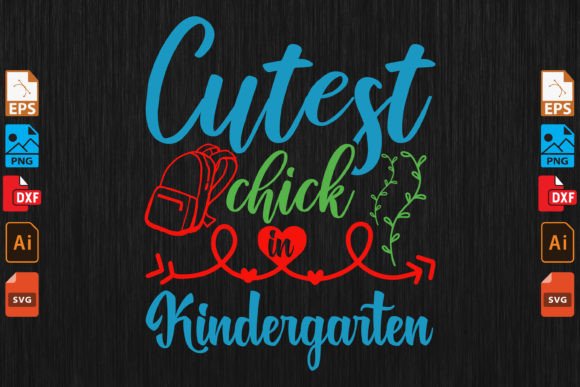
Cutest Chick in Kindergarten: A Designer's Real-World Review
When I first opened the file for Cutest Chick in Kindergarten, my immediate thought wasn't about the cute factor, but about its viability as a functional machine embroidery design. As someone who has spent years turning digital assets into tangible, high-quality handmade products, I know that a pretty image on a screen does not always translate to a clean stitch-out. This piece falls under the Graphics category within the broader Crafts sector, but its true test lies in how it handles thread tension, fabric texture, and the demands of a real production run.
The design presents itself as a charming typography-focused layout, likely intended for Women's Day or spring-themed projects. The mood is undeniably playful and nostalgic, evoking the innocence of early childhood education. However, before I committed this to a hoop, I had to ask myself: does this work as a standalone statement, or does it need support? In my experience, designs that rely heavily on small lettering can lose their impact if the stitch density isn't perfect. Cutest Chick in Kindergarten seems to lean towards a decorative aesthetic rather than a rigid industrial look, which makes it ideal for boutique items where personality matters more than uniformity.
From Screen to Stitch: A Practical Scenario
Let me walk you through a real-life scenario I recently faced. I was preparing a custom order for a local boutique owner who needed a series of personalized tote bags for a kindergarten fundraiser. She wanted something that felt warm and inviting without looking like a generic clip-art dump. That was when I considered using Cutest Chick in Kindergarten.
I started by selecting a heavy-duty canvas tote bag. The challenge here is always stability; canvas can be thick and uneven. I hooped the fabric with a medium-density stabilizer to prevent puckering. When I ran the test stitch, the design held up surprisingly well. The typography was crisp, and the "chick" element (assuming there is a graphic component accompanying the text) added a focal point that drew the eye immediately. It transformed a plain, utilitarian bag into a premium gift item.
But imagine if I had used this on a stretchy sweatshirt instead. While the design might look great on a flat mockup, the curvature of a shoulder or the elasticity of a sleeve could distort the letters. This is where practical judgment comes in. For apparel like sweatshirts or t-shirts, Cutest Chick in Kindergarten works best on structured areas like the chest pocket or the center of the back panel, away from seams and stretch zones. If you are an Etsy seller or a craft business owner, knowing where to place your design is just as important as the design itself.
Where This Design Shines
In my review of various embroidery files, few designs balance simplicity and charm as effectively as this one. Here is where I believe Cutest Chick in Kindergarten will deliver the highest value:
- Baby Items: The soft theme makes it perfect for baby onesies, bibs, or nursery wall hangings. The gentle curves of the typography suggest comfort, which parents love.
- Holiday Gifts: Whether for Easter, Mother's Day, or end-of-year teacher gifts, this design hits the right emotional note. It feels personal and thoughtful.
- Kitchen Textiles: Try stitching this onto a tea towel or apron. The contrast of white thread on a dark kitchen towel can make the design pop, creating a unique conversation starter in any home.
- Patches and Badges: If you have the capability to create embroidered patches, this design translates beautifully to a sew-on badge for jackets or backpacks.
For commercial embroidery projects, the versatility is key. You aren't limited to just clothing. Think about pillow covers for a playroom or even book covers for children's literature. The design assets provided in this file seem to offer enough flexibility to adapt to different product types, making it a smart investment for digital product sellers looking to expand their inventory.
Caution Zones: Where to Be Careful
Every designer knows that no single design fits every situation. While Cutest Chick in Kindergarten is versatile, there are specific scenarios where you should proceed with caution. First, avoid using this on very small hoop sizes. If the lettering is intricate, shrinking the design down can result in thread breaks or a muddy appearance where stitches overlap too densely.
Textured fabrics are another potential pitfall. While a heavy canvas tote worked well, try this on a fuzzy fleece or a loose-weave linen, and you might struggle with stitch definition. The design relies on clarity, and textured backgrounds can hide the details of the typography. Similarly, thin fabrics require extra care. Without a proper stabilizer, the pull of the thread could cause the fabric to pucker around the edges of the design, ruining the finished product.
If you are working with dark fabric, pay close attention to your thread colors. A light-colored chick on a black background might get lost if the stitch density isn't high enough. Conversely, on light fabrics, ensure the thread choice provides enough contrast so the message remains legible. Also, be wary of curved surfaces like baseball caps. While possible, the distortion inherent in cap embroidery can warp straight lines of text, making Cutest Chick in Kindergarten look less professional unless you have advanced digitizing skills to compensate for the curve.
Professional Tips for a Flawless Finish
To ensure your Cutest Chick in Kindergarten project meets professional standards, I recommend following a strict testing protocol. Always test the design on scrap fabric first. This simple step saves time, thread, and frustration. Check the thread color contrast against your chosen fabric; sometimes a color that looks good on a monitor appears dull once stitched.
Review the stitch density carefully. If the design uses a lot of fill stitch, ensure your machine can handle the thickness without skipping. For satin stitch areas, verify that the edges are smooth and not jagged. Confirm your hoop size matches the design dimensions to avoid unnecessary trimming or resizing that could alter the aspect ratio.
Inspect small details closely. If there are tiny elements in the design, they might disappear after washing. Test the finished product by washing it to see if the stitches hold up or if the fabric shifts. Use a proper stabilizer—cut-away for stretchy fabrics and tear-away for stable wovens—to maintain the shape of the embroidery over time.
Finally, compare your design in both light and dark fabric mockups before committing to a full production run. This helps you visualize how the final product will look in different lighting conditions. If you plan to sell these items, confirm the licensing terms of the Graphics file. Ensure you have the rights to use Cutest Chick in Kindergarten for commercial purposes, especially if you are selling finished goods on platforms like Etsy or at craft fairs.
Ultimately, Cutest Chick in Kindergarten is a strong contender for anyone looking to add a touch of whimsy to their handmade product line. It strikes a balance between being cute and being wearable, making it suitable for everything from personalized gifts to boutique branding. By understanding its strengths and limitations, you can transform this digital asset into a beloved physical object that customers will cherish.